Understanding Loan Amortization in India: A Loan Repayment Structure Guide
- Sakti Nayak
- Mar 4
- 4 min read

When individuals or small businesses in India consider taking a loan, understanding the repayment process is crucial. Loan amortization is a key concept that helps borrowers plan their finances effectively. It explains how loan payments are structured over time, combining principal and interest components. This guide will provide clear insights into loan amortization, helping borrowers make informed decisions and manage their loan repayments efficiently.
Loan Repayment Structure Guide: How Amortization Works
Loan amortization refers to the process of spreading out loan payments over a fixed period. Each payment includes two parts: the principal amount (the original loan sum) and the interest charged by the lender. Over time, the portion of the payment that goes toward the principal increases, while the interest portion decreases.
In India, loans such as home loans, personal loans, and business loans typically follow an amortization schedule. This schedule outlines each monthly payment, showing how much goes toward interest and how much reduces the principal balance.
For example, if a borrower takes a home loan of ₹50 lakhs at an interest rate of 8% per annum for 20 years, the monthly payment (EMI) will remain constant. However, in the initial years, a larger part of the EMI covers interest, and a smaller part reduces the principal. As the loan matures, this balance shifts.
Understanding this structure helps borrowers plan their budgets and anticipate how their loan balance will reduce over time.

What is Amortization in Simple Words?
Amortization is simply the process of paying off a loan through regular payments over a set period. Each payment reduces the loan balance a little more until it is fully paid off. Think of it as a step-by-step plan to clear your debt.
In simple terms, when you take a loan, you agree to pay back the borrowed amount plus interest. Instead of paying everything at once, you pay in equal monthly installments. These installments are designed so that by the end of the loan term, the entire loan amount and interest are fully paid.
This method benefits borrowers by providing predictable monthly payments, making it easier to manage finances. It also ensures that the loan is completely repaid within the agreed timeframe.
Key Components of Loan Amortization in India
To understand loan amortization fully, it is important to know its main components:
Principal: The original amount borrowed.
Interest: The cost of borrowing, usually expressed as an annual percentage rate.
EMI (Equated Monthly Installment): The fixed monthly payment that includes both principal and interest.
Loan Tenure: The duration over which the loan is to be repaid.
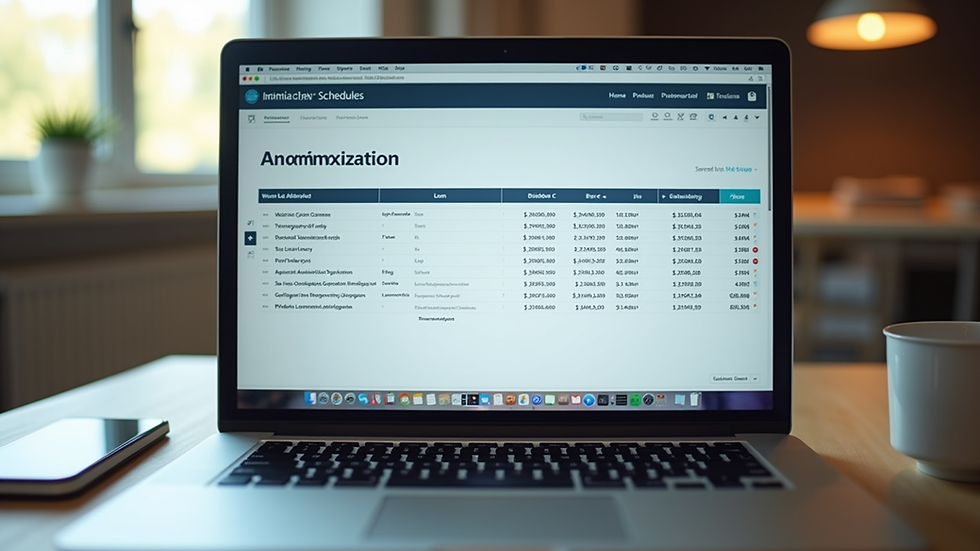
Amortization Schedule: A detailed table showing each payment’s breakdown into principal and interest.
For instance, if a small business takes a loan of ₹10 lakhs for 5 years at 10% interest, the EMI will be calculated to cover both principal and interest. The amortization schedule will show how much of each EMI reduces the principal and how much pays the interest.
This clarity helps borrowers track their loan progress and plan prepayments if possible, which can reduce the overall interest paid.
Benefits of Understanding Loan Amortization
Knowing how loan amortization works offers several advantages:
Better Financial Planning: Borrowers can budget their monthly expenses knowing the exact EMI amount.
Interest Savings: Understanding the interest component encourages early repayments or lump sum payments to reduce interest burden.
Loan Comparison: It becomes easier to compare different loan offers by analyzing their amortization schedules.
Avoiding Defaults: Predictable payments reduce the risk of missed EMIs and penalties.
Transparency: Borrowers gain a clear picture of how their loan balance decreases over time.
For example, if a borrower understands that making an extra payment towards the principal early in the loan tenure can significantly reduce interest, they may choose to do so. This strategy can save thousands of rupees over the loan period.
Practical Tips for Managing Loan Amortization Effectively
To make the most of loan amortization, borrowers should consider the following tips:
Use Online EMI Calculators: These tools help estimate monthly payments and create amortization schedules quickly.
Review Loan Terms Carefully: Understand the interest rate type (fixed or floating), tenure, and prepayment options.
Make Timely Payments: Avoid late payments to prevent penalties and negative credit impact.
Consider Prepayments: If possible, pay extra amounts towards the principal to reduce interest and shorten the loan tenure.
Keep Track of Amortization Schedule: Regularly check your loan statements to monitor progress.
By following these steps, borrowers can manage their loans more efficiently and reduce financial stress.
Understanding what is loan amortization is essential for anyone taking a loan in India. It demystifies the repayment process and empowers borrowers to make smarter financial decisions. Whether it is a personal loan, home loan, or business loan, knowing how your payments are structured can lead to better money management and savings.
This knowledge supports the goal of providing a free, reliable resource for individuals and small businesses in India who need quick and accurate EMI calculations and financial guidance.
Planning Ahead: Making Loan Amortization Work for You
Loan amortization is not just a technical term but a practical tool for financial discipline. Borrowers should plan their loan tenure and EMI amounts according to their income and expenses. Choosing a loan tenure that balances affordable EMIs with total interest cost is key.
For example, a longer tenure reduces EMI but increases total interest paid. Conversely, a shorter tenure means higher EMIs but less interest overall. Understanding this trade-off helps borrowers select the best option for their situation.
Additionally, borrowers should keep an eye on interest rate changes, especially for floating rate loans, as this affects the amortization schedule and EMI amounts.
By staying informed and proactive, borrowers can use loan amortization to their advantage, ensuring smooth loan repayment and financial stability.
This guide aims to be a comprehensive resource for anyone in India looking to understand loan amortization and manage their loan repayments effectively. With clear explanations, practical examples, and actionable tips, it supports better financial decisions and promotes responsible borrowing.

$50
Product Title
Product Details goes here with the simple product description and more information can be seen by clicking the see more button. Product Details goes here with the simple product description and more information can be seen by clicking the see more button

$50
Product Title
Product Details goes here with the simple product description and more information can be seen by clicking the see more button. Product Details goes here with the simple product description and more information can be seen by clicking the see more button.
$50
Product Title
Product Details goes here with the simple product description and more information can be seen by clicking the see more button. Product Details goes here with the simple product description and more information can be seen by clicking the see more button.


Comments